

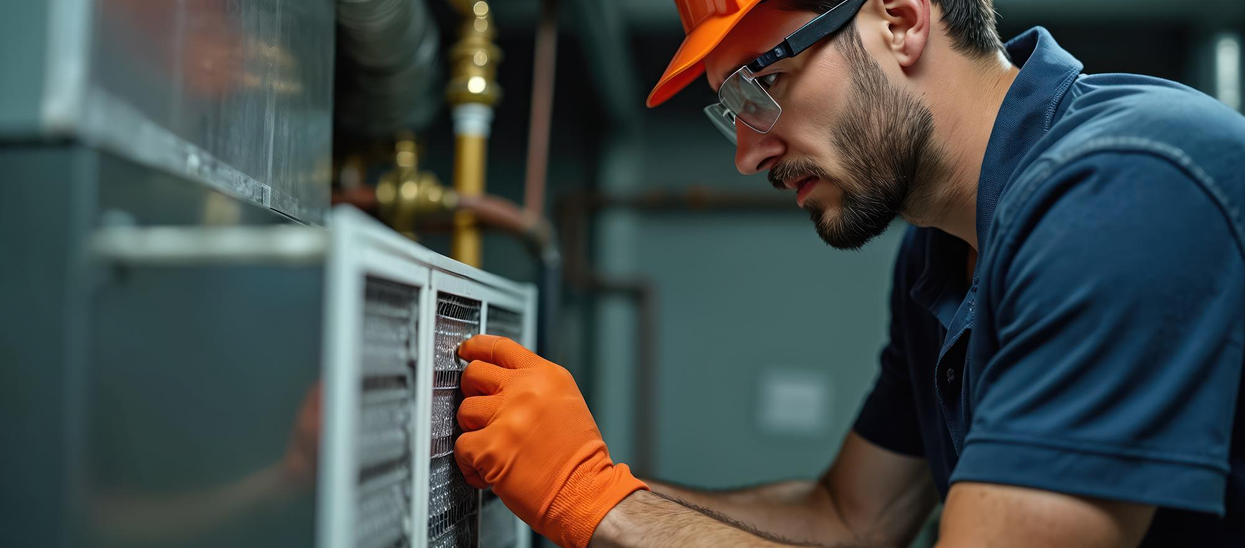
Your HVAC system is one of the most important investments in your home or business, providing reliable heating and cooling throughout the year. However, like any mechanical equipment, it won’t last forever. As HVAC systems age, they become less efficient, require more frequent repairs, and consume more energy, resulting in higher utility bills and reduced indoor comfort.
Knowing when to replace your HVAC system can save you money, improve energy efficiency, and ensure consistent comfort for years to come. While regular maintenance can extend the life of your equipment, there comes a point when replacement is a more cost-effective solution than ongoing repairs. Here are seven signs that indicate it may be time to upgrade your HVAC system.
Smart HVAC solutions are not just about cooling and heating — they are about improving comfort, reducing energy costs, and building long-term efficiency.
1. Your HVAC System Is More Than 10–15 Years Old
Most HVAC systems have an average lifespan of 10 to 15 years. If your unit is reaching this age, upgrading to a modern, energy-efficient system can improve performance and reduce operating costs.
2. Frequent and Expensive Repairs
If you’re calling an HVAC technician several times a year, repair costs can quickly add up. Replacing the system may be a smarter long-term investment than continually fixing an aging unit.
3. Rising Energy Bills
Older HVAC systems lose efficiency over time and require more energy to maintain comfortable temperatures. A noticeable increase in utility bills often indicates it’s time for a replacement.
4.Uneven Heating or Cooling
If some rooms are too hot while others remain too cold, your HVAC system may no longer distribute air effectively. A new system can provide balanced airflow and improved indoor comfort.
5. Strange Noises or Unpleasant Odors
Grinding, rattling, banging, or burning smells are signs of worn-out components or serious mechanical issues. These problems should be professionally evaluated and may require system replacement.
6. Poor Indoor Air Quality
Older HVAC systems often struggle to filter dust, allergens, and pollutants effectively. Upgrading to a modern unit with advanced filtration improves indoor air quality and creates a healthier environment.
7. Your System Uses Outdated Technology
Modern HVAC systems offer smart thermostats, energy-saving features, quieter operation, and improved efficiency. Replacing an outdated unit allows you to enjoy the latest technology and greater convenience.



“Our HVAC system was nearly 15 years old, and replacing it made a huge difference. Our energy bills are lower, and the house stays comfortable all day.”
“This article answered many of my questions about HVAC replacement. The signs were easy to understand and helped me decide it’s time for an upgrade.”
“Great information! We were spending too much on repairs every year. Replacing our old HVAC system has been one of the best home improvements we’ve made.”