

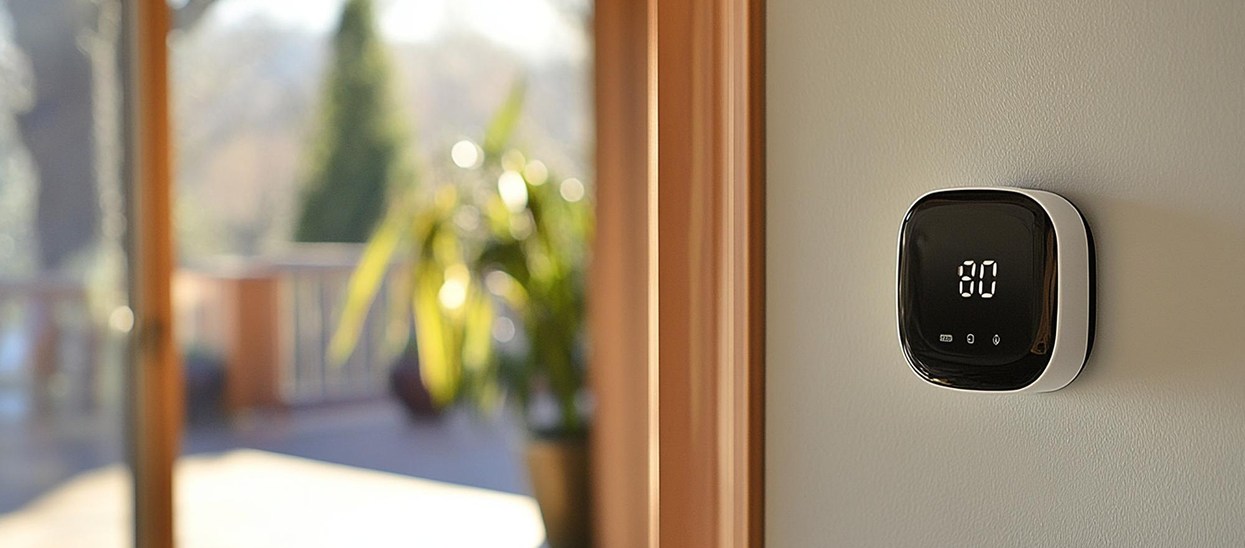
Smart thermostats are one of the most effective upgrades for improving HVAC efficiency and reducing monthly energy expenses. By automatically managing heating and cooling based on user behavior, weather conditions, and occupancy patterns, they help eliminate unnecessary energy usage while maintaining consistent indoor comfort.
Energy bills continue to rise as heating and cooling demands increase in both residential and commercial spaces. Traditional thermostats require manual adjustments, which often leads to overcooling or overheating. Smart thermostats solve this issue by introducing automation, learning capabilities, and real-time control that optimize HVAC performance without constant user input.
Smart HVAC solutions are not just about cooling and heating — they are about improving comfort, reducing energy costs, and building long-term efficiency.
1. Create a Strong HVAC Plan
Successful HVAC projects start with a well-planned strategy. Understanding space requirements, energy usage, and comfort needs helps deliver efficient heating and cooling solutions that ensure long-term performance and reliability.
2. Choose the Right HVAC Solution
Every property requires a different HVAC approach. Selecting the right system based on building size, usage, and climate conditions ensures maximum efficiency, better airflow, and reduced energy consumption.
3. Work With Experienced HVAC Experts
Professional HVAC technicians provide reliable installation, maintenance, and repair services. Their expertise ensures accurate system setup, improved performance, and long-lasting comfort for residential and commercial spaces.
4. Keep Your HVAC System Maintained
Regular maintenance, cleaning, and inspections help keep HVAC systems running efficiently. Proper care improves system lifespan, prevents breakdowns, and ensures consistent indoor comfort.
5. Prioritize Long-Term Efficiency & Comfort
Energy-efficient HVAC systems are designed to reduce operational costs while maintaining optimal comfort. Investing in modern solutions ensures sustainable performance and lower electricity bills.
6. Allow Flexibility in System Design
Modern HVAC systems offer flexible configurations that adapt to different property types. This ensures better temperature control, improved airflow, and customized comfort for every space.
7. Smart HVAC Solutions Drive Better Performance
Advanced HVAC technologies like smart thermostats and automation systems help improve energy efficiency, monitor performance, and deliver consistent indoor comfort with minimal manual effort.



“Their financial expertise and investment strategies helped us improve stability, optimize operations, and make smarter business decisions with confidence.”
“Installing a smart thermostat was one of the best upgrades for my home. My monthly energy bill has noticeably decreased, and I love being able to control the temperature from my phone.”
“Great explanation of how smart thermostats improve energy efficiency. I especially like the remote control feature that lets me adjust temperatures from my phone when I’m away from home.”