
Other Projects
- Downtown Office HVAC Retrofit
- Manufacturing Facility HVAC Installation
- Luxury Residential Climate Solution
- Luxury Villa Central AC Installation
- Hospital HVAC System Optimization
- Warehouse Airflow & Ventilation System
- Corporate Office HVAC Modernization
- Retail Store AC System Installation
- Cold Storage Cooling System Installation
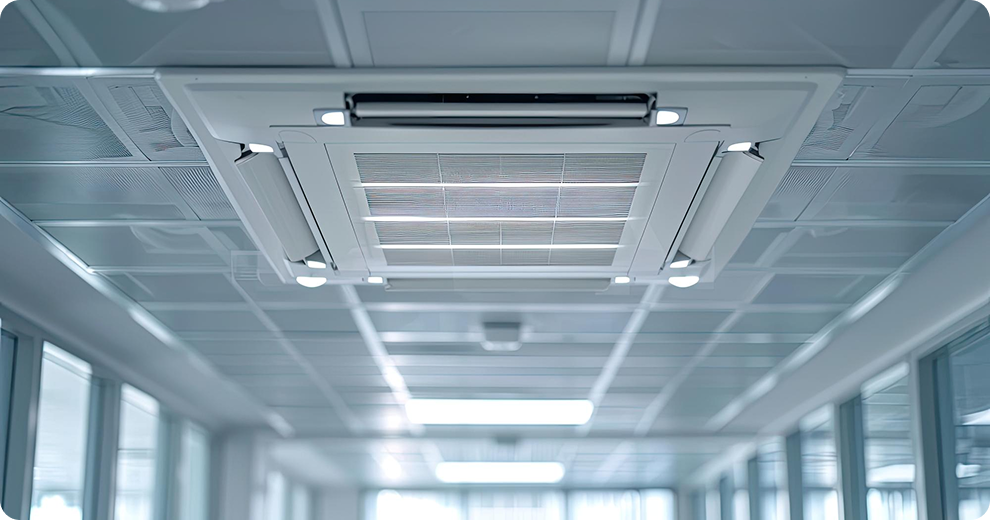
A properly optimized HVAC system is essential for maintaining a safe, clean, and comfortable healthcare environment. Our Hospital HVAC System Optimization service improves the performance of existing heating, ventilation, and air conditioning systems to ensure consistent temperature control, proper ventilation, and superior indoor air quality. We evaluate every aspect of your system, identifying opportunities to increase energy efficiency, enhance airflow, and support infection control standards throughout patient rooms, operating areas, and critical care spaces.
Our experienced HVAC professionals implement advanced optimization strategies that improve system reliability while minimizing downtime and operational costs. From balancing airflow and upgrading controls to enhancing filtration and equipment performance, we tailor every solution to meet the unique demands of healthcare facilities. The result is a dependable HVAC system that supports patient comfort, staff productivity, regulatory compliance, and long-term energy savings without disrupting daily hospital operations.
Project Challenges
The office building faced several operational challenges due to an aging HVAC system. Employees experienced uneven temperatures across different floors, while rising energy consumption increased monthly operating expenses. The client required a solution that would improve comfort and efficiency without causing significant interruptions to business activities.
Additional challenges included addressing uneven airflow between floors, improving temperature consistency across multiple office zones, and integrating modern HVAC technologies with portions of the existing infrastructure.
- Upgrading an Outdated HVAC Infrastructure
- Resolving Uneven Temperature Distribution Issues
- Improving Airflow Throughout Office Spaces
- Reducing High Energy Consumption and Costs
- Minimizing Disruption to Daily Operations
- Integrating New Systems with Existing Infrastructure
Project Solutions
Our HVAC specialists designed a comprehensive retrofit plan focused on performance, efficiency, and long-term value. The project included the installation of high-efficiency HVAC equipment, airflow optimization, advanced thermostat controls, and upgraded ventilation components to improve overall building comfort.
Frequently Asked Questions
Find quick and clear answers to the most common questions about our HVAC services, including installation, maintenance, repairs, and system performance.
Regular HVAC maintenance is recommended twice a year, typically before the heating and cooling seasons. This helps improve efficiency, prevent breakdowns, and extend system lifespan.
Common signs include unusual noises, weak airflow, uneven temperatures, rising energy bills, unpleasant odors, or your system frequently turning on and off. If you notice any of these issues, it's best to schedule a professional inspection to prevent more costly repairs.
Most residential HVAC installations are completed within one to two days, depending on the system type, property size, and installation requirements. Your technician will provide a clear timeline before the work begins.
Yes. Modern HVAC systems are designed to use less energy while delivering better heating and cooling performance. Upgrading to an energy-efficient system can help lower utility bills, improve indoor comfort, and reduce your overall environmental impact.
Yes. We offer 24/7 emergency HVAC services to quickly resolve unexpected heating and cooling issues. Our experienced technicians respond promptly to restore your comfort with reliable and efficient solutions.
You can improve indoor air quality by replacing air filters regularly, scheduling routine HVAC maintenance, improving ventilation, and using air purification systems. These solutions help reduce dust, allergens, and airborne pollutants while creating a cleaner, healthier indoor environment.