

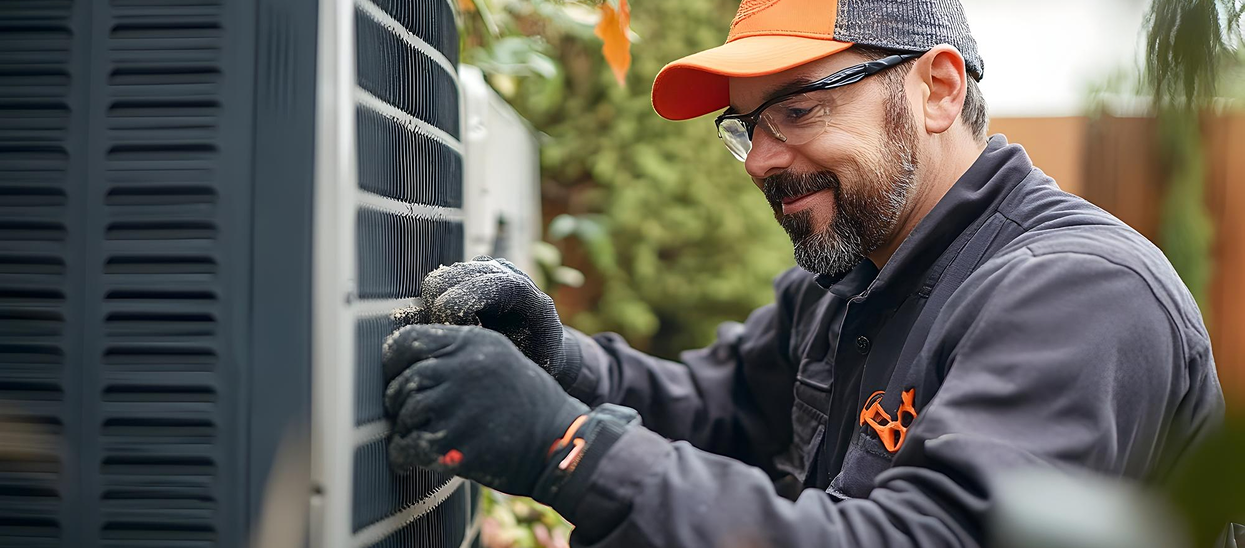
A well-maintained HVAC system delivers better comfort, improved energy efficiency, and long-lasting performance. In this guide, you’ll discover seven essential HVAC maintenance tips that help prevent costly breakdowns, lower utility bills, and extend the lifespan of your heating and cooling equipment. From replacing air filters and cleaning outdoor units to scheduling professional inspections, these practical maintenance practices will keep your HVAC system operating at peak efficiency throughout every season. Whether you own a home or manage a commercial property, following these expert recommendations will help you maintain a healthier, more comfortable indoor environment while reducing repair costs over time.
Your HVAC system works hard throughout the year to keep your home or business comfortable. Regular maintenance is the key to improving efficiency, reducing energy costs, and extending the life of your heating and cooling equipment. Neglecting routine care can lead to poor performance, unexpected breakdowns, and expensive repairs. Follow these seven essential HVAC maintenance tips to keep your system running at its best.
Smart HVAC solutions are not just about cooling and heating — they are about improving comfort, reducing energy costs, and building long-term efficiency.
1. Replace Air Filters Regularly
Dirty air filters restrict airflow, forcing your HVAC system to work harder. Replace or clean filters every 1–3 months to improve efficiency and maintain healthy indoor air quality.
2. Keep Outdoor Units Clean
Remove leaves, dirt, and debris from around the outdoor condenser unit. Maintaining at least two feet of clear space helps ensure proper airflow and better cooling performance.
3. Inspect Air Vents
Check that supply and return vents are open and free from furniture, curtains, or dust buildup. Clear vents allow even airflow and consistent temperatures throughout your property.
4. Clean Coils and Components
Evaporator and condenser coils collect dust over time, reducing system efficiency. Regular cleaning helps improve heat transfer and lowers energy consumption.
5. Check the Thermostat
Ensure your thermostat is working correctly and set to an energy-efficient temperature. Upgrading to a programmable or smart thermostat can help reduce utility bills while improving comfort.
6. Inspect Refrigerant Levels
Low refrigerant can decrease cooling performance and increase energy usage. If you notice weak cooling or unusual noises, have a qualified HVAC technician inspect the system.
7. Schedule Professional Maintenance
Arrange professional HVAC servicing at least once a year. A trained technician can identify worn components, tighten electrical connections, lubricate moving parts, and prevent costly repairs before they happen.



“Great tips! I recently replaced my air filter and noticed a big improvement in airflow. This article is very helpful for homeowners.”
“I didn’t realize keeping the outdoor unit clean could improve efficiency. Thanks for sharing these practical maintenance tips.”
“Scheduling annual HVAC maintenance has definitely reduced repair costs for me. Excellent and easy-to-understand information!”