

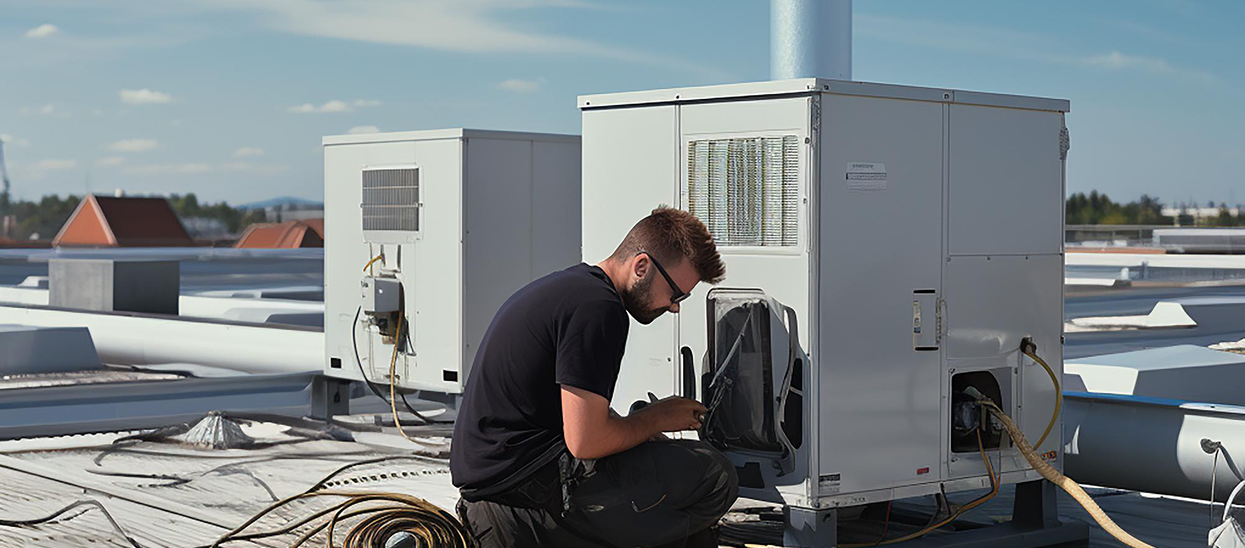
Your HVAC system is responsible for maintaining a comfortable indoor environment throughout the year by providing reliable heating, cooling, and ventilation. Like any mechanical equipment, HVAC systems can develop problems over time due to regular wear, lack of maintenance, or aging components. Ignoring small issues can lead to higher energy bills, reduced comfort, and expensive repairs that could have been avoided with timely attention.
Understanding the most common HVAC problems and learning how to prevent them can help improve system performance and extend the life of your equipment. Regular inspections, proper maintenance, and quick repairs keep your heating and cooling system operating efficiently while ensuring consistent indoor comfort. Here are seven common HVAC problems and practical ways to prevent them.
Smart HVAC solutions are not just about cooling and heating — they are about improving comfort, reducing energy costs, and building long-term efficiency.
1. Dirty Air Filters
Clogged air filters restrict airflow, forcing your HVAC system to work harder and consume more energy. Replace or clean filters every one to three months to maintain efficient airflow and improve indoor air quality.
2. Thermostat Malfunctions
A faulty thermostat can cause inconsistent temperatures or prevent your HVAC system from operating correctly. Regularly check thermostat settings, replace batteries when needed, and consider upgrading to a smart thermostat for better control.
3. Refrigerant Leaks
Low refrigerant levels reduce cooling efficiency and place additional strain on the compressor. If you notice poor cooling performance, have a certified HVAC technician inspect and repair any refrigerant leaks promptly.
4.Dirty Condenser Coils
Outdoor condenser coils collect dirt, leaves, and debris, reducing heat transfer and system efficiency. Keep the area around the outdoor unit clean and schedule professional coil cleaning as part of routine maintenance.
5. Blocked Air Vents
Furniture, curtains, or dust buildup can block supply and return vents, restricting airflow throughout your property. Keep vents open and unobstructed to ensure balanced heating and cooling.
6. Electrical Component Failures
Loose wiring, worn capacitors, or damaged electrical connections can lead to system failures or safety concerns. Professional inspections help identify and replace faulty electrical components before they cause major problems.
7. Lack of Regular Maintenance
Skipping routine maintenance is one of the leading causes of HVAC breakdowns. Schedule professional servicing at least once a year to inspect components, clean the system, and address minor issues before they become costly repairs.



“This article helped me identify why my HVAC system wasn’t cooling properly. Replacing the air filter made a noticeable difference. Thanks for the useful advice!”
“Great information! I never realized that blocked air vents could reduce system efficiency. I’ll definitely be scheduling regular maintenance from now on.”
“Very well explained and easy to understand. These preventive maintenance tips are practical and can save homeowners from expensive HVAC repairs.”